Title: A Clockwork Orange
Author: Anthony Burgess
First Published: 1962
Genre: Dystopia, Science Fiction
Where to Buy: Amazon, Waterstones, Book Depository
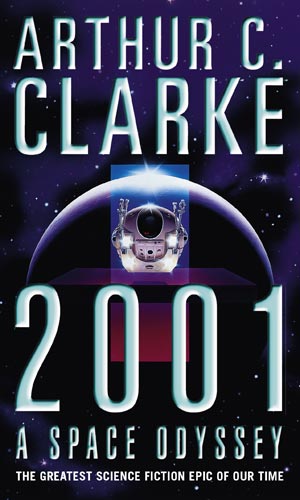
Ahh, finally. After reading two duds (Great Gatsby and 2001 respectively) it feels so good to finally get a book as excellent as this one.
What I from reading the introduction (one of the few times I have actually found the introduction useful or interesting) is that Anthony Burgess didn't think that this was his best work. He dismissed it as his lesser work and felt he did much better work later. So it was a source of much frustration to him that this one had to be his most famous work thanks to the infamous movie and the hoo-harr surrounding it at the time of it's release.
The most obviously unique and the thing that's hits you first when you read this book is the incredible language. When I first read "you could peet it with vellocet or synthemesc or drencrom or one or two other veshches" I had no fucking clue what they were on about. It's incredibly frustrating at first but if you keep ploughing on with the book you quickly pick up the words very easily and by the end you know the language of Nadsat very well. Burgess was a linguist and his skills with other languages is clearly shown here. The language of Nadsat that Alex and the rest of his droogs use is a strange combination of a more slang Russian and cockney-rhyming slang and learning about the meaning of the words is fascinating. Praise must be given to Burgess for managing to essentially create a new language that is not completely incomprehensible.
It also struck me how prophetic this book is. After all the language and the clothes are all pretty reminiscent of today's youth (and yes, I will be sounding about 67 from this point on). The main characters all wear these ridiculous clothes consisting of old-fashioned hats, white shirts and trousers, lapels and of course the crotch grab. This is his gang's uniform and is perfectly reminiscent of the type of tribes you get today. There are goths and emos and chavs who all have their own set of clothes that distinguish them.
The language is also a very familiar asset of today's youth. You could quite easily replace "yarbles", "horrorshow" and "gulliver" with LOL, ROLF and LMAO. Nadsat was Alex's teenage slang, text-speak is today's teenage slang.
The overruling moral question Burgess poses in this book is that is it right to take away a man's free will, even if that free will is violent and destructive? Burgess' answer to this question is stated in this quote from the book "Goodness comes from within. Goodness is chosen. When a man cannot choose, he ceases to be a man." Burgess argues that it is wrong to do this to people as the only way anyone could be "good" would be by their own personal choice and not simply by brainwashing a person into the government's way of thinking, in the process taking away any choice that person had. It's an excellent philosophical argument that leaves you think deeply about the issue which is always what I strive for in a book. And BTW on the whole I came to the conclusion that no, it's not alright. Even a criminal ,one who rapes and robs and kills, deserves the right to make moral choices.
Edit: 9/8/12: This review took me a ridiculously long time to write. So sorry for the wait, I hope to be a lot speedier in the future when writing reviews.